

How to Build a Home Cocktail Bar: 2026 Guide
Table of Contents
- What Your Home Cocktail Bar Actually Needs (And What to Skip)
- Best Spirits for Cocktail Making: Building Your Bottle Selection
- Essential Home Bar Tools Every Beginner Needs
- Cocktail Mixers, Syrups and Garnishes
- How to Stock a Home Bar on a Budget
- Maintenance, Cleaning and Keeping Your Bar Ready to Pour
- Conclusion
Last Updated: August 27, 2026
What Your Home Cocktail Bar Actually Needs (And What to Skip)
A home cocktail bar is a dedicated space, collection of spirits, and set of tools that allows you to mix drinks with consistency and confidence at home. The single most common mistake is over-buying before understanding the fundamentals. A well-chosen selection of six spirits and four tools will outperform a cluttered cabinet of thirty bottles every time.
Start with a clear picture of your cocktail list: Are you drawn to spirit-forward drinks like Negronis and Manhattans, or do you prefer long, citrus-forward cocktails? That answer shapes every purchase that follows. Buy with purpose, you do not need a muddler until you are regularly making mojitos, a blender for most home bars, or flavoured vodkas and single-use syrups that waste shelf space and money.
Choosing Your Bar Space: Cart, Cabinet or Dedicated Counter
The three most practical formats for a home cocktail bar are a bar cart, a repurposed cabinet, and a dedicated counter section.
A bar cart is the most flexible option. It moves between rooms, doubles as a serving station when hosting, and keeps your spirits visible and accessible, though capacity is limited to roughly eight to twelve bottles.
A cabinet or sideboard suits anyone who prefers a tidier look. Bottles stay out of direct light, which matters for long-term storage, though prep work happens elsewhere.
A dedicated counter section is the most functional setup if you have the space. You can keep tools, glassware, and bottles in one place, making mixology faster and more enjoyable.
Small-Space and Apartment Solutions
Limited space is not a barrier to a great home cocktail bar. A single floating shelf at eye level can hold six to eight bottles and a few glasses. A compact bar cart with two tiers fits in most apartment corners. Prioritise vertical storage: bottles on one level, glassware above or below, tools in a small container or magnetic strip on the wall.
Most spirits are shelf-stable indefinitely when sealed. Keep vermouth in the fridge once opened, as it oxidises quickly. A small ice tray or dedicated ice maker is worth the counter space if you entertain regularly, because ice quality genuinely changes the texture and dilution of a cocktail (peer-reviewed research).
Best Spirits for Cocktail Making: Building Your Bottle Selection
Building a bottle selection means choosing base spirits that cover the widest range of classic cocktails, then layering in modifiers that add depth and versatility. The quality of your base spirits matters more than the size of your collection.
The Core Base Spirits
Most classic cocktails are built on five base spirits: gin, vodka, whisky, rum, and agave spirit. For a beginner home bar, start with three and build from there.
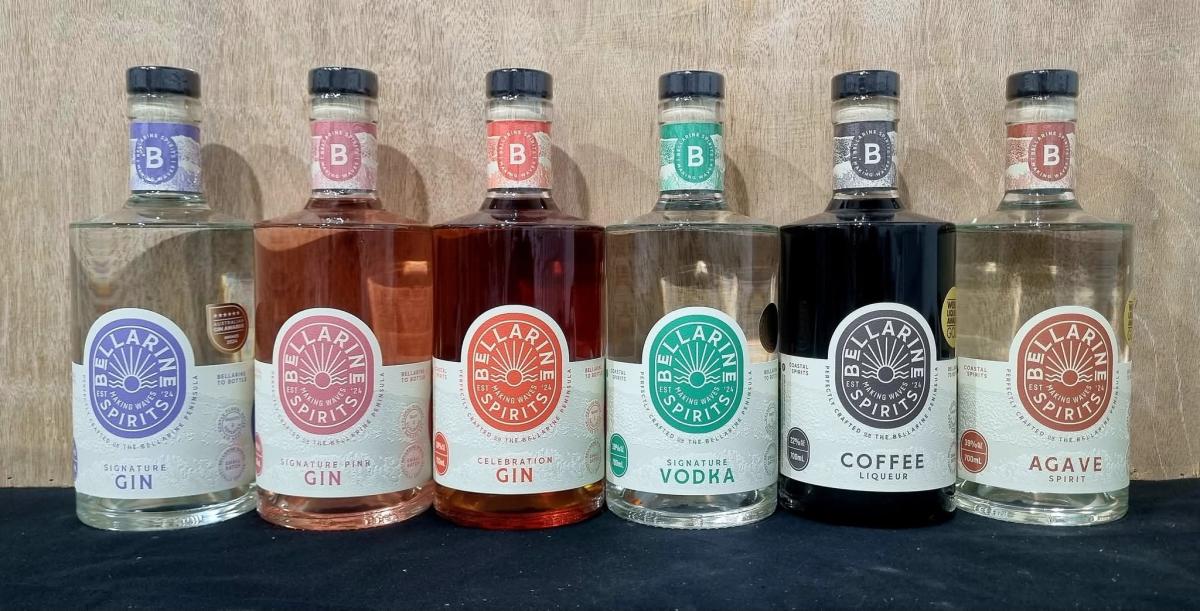
Gin is arguably the most versatile base for home mixing. A well-balanced gin works in a G&T, a Negroni, a Martini, and a Tom Collins. The Bellarine Spirits Signature Gin ($49.50) balances elderflower and lavender with classic botanicals. The Gin 3-Pack Collection ($140.00) covers multiple cocktail styles efficiently.

Vodka is the cleanest base spirit and the easiest to mix. The Bellarine Spirits Signature Vodka ($42.50) earned Gold Medal status at the 2025 Australian International Vodka Awards, scoring 92/100.
Agave spirit has earned its place as a core home bar spirit. The Bellarine Spirits Signature Agave Spirit ($49.50) was named World's Best Tequila/Agave Liqueur at the 2025 World Drink Awards in London, with a profile of blue agave sweetness, soft vanilla, and caramel finish. It works equally well in a simple serve over ice or as the base for a Margarita or Paloma.

Spirit |
Starting Point |
Key Cocktails |
|---|---|---|
Gin |
Signature or London Dry style |
G&T, Negroni, Martini, Tom Collins |
Vodka |
Clean, neutral style |
Espresso Martini, Vodka Soda, Cosmopolitan |
Agave Spirit |
100% agave or blue agave base |
Margarita, Paloma, Tommy's Margarita |
Whisky |
Blended Scotch or bourbon |
Old Fashioned, Whisky Sour, Manhattan |
Rum |
White for mixing, dark for sipping |
Daiquiri, Mojito, Dark and Stormy |
Bitters, Vermouth, Liqueurs and Aperitifs
Bitters are concentrated flavour drops used in small quantities, typically two to three dashes per drink. Aromatic bitters are the most versatile and work in Old Fashioneds, Manhattans, and Champagne cocktails. Orange bitters are the next most useful addition.

Vermouth comes in dry (white) and sweet (red) styles. Dry vermouth is essential for a Martini; sweet vermouth is the backbone of a Negroni and a Manhattan. Buy small bottles and keep them refrigerated once opened.
Coffee liqueur is one of the most underrated bottles on a home bar. It anchors the Espresso Martini and works in a White Russian. The Bellarine Spirits Espresso Martini Pack ($75.00) pairs the Signature Vodka with the Signature Coffee Liqueur, giving you everything needed for one of the most requested cocktails.
Aperitifs and digestifs round out a sophisticated home bar. A bitter Italian-style aperitif covers Spritz variations and Negroni riffs.
Non-Alcoholic and Low-ABV Alternatives
Non-alcoholic spirits are designed to mimic the botanical complexity of gin or the depth of whisky without the alcohol. They work in the same recipes as their alcoholic counterparts and are genuinely useful when hosting guests who do not drink. For low-ABV options, consider a quality aperitif wine, low-alcohol sparkling wine for spritzes, or a light vermouth-based serve.
Essential Home Bar Tools Every Beginner Needs
The right tools are not optional. A cocktail shaker, jigger, and mixing glass are the difference between a drink that tastes right and one that is either over-diluted, under-chilled, or poorly balanced.
Shakers, Jiggers and Mixing Glasses
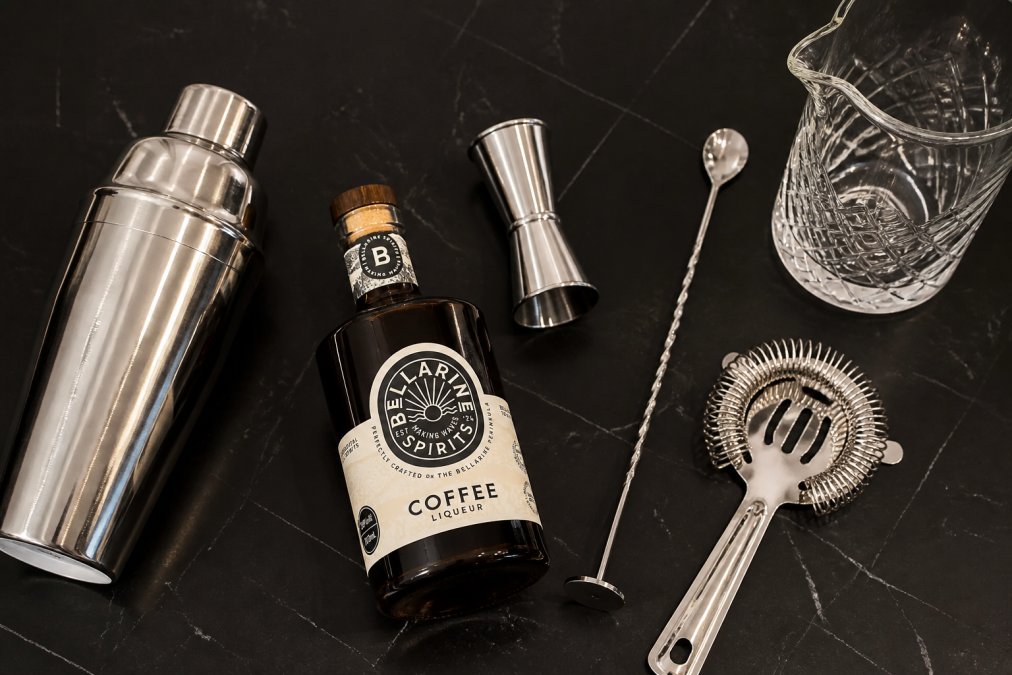
Cocktail shaker: The Boston shaker (two-piece tin) is the professional standard and the most practical for home use. It chills and dilutes a cocktail quickly and is easy to clean.
Jigger: A double-sided measuring tool, typically 30ml on one side and 60ml on the other. Accurate measurement is the single most important habit in home mixology (peer-reviewed research).
Mixing glass: Used for spirit-forward cocktails like Martinis, Negronis, and Manhattans that are stirred rather than shaken. A heavy-based mixing glass with a pour spout is ideal.
Bar spoon: A long-handled bar spoon is used for stirring cocktails in a mixing glass. The twisted handle controls the rotation and prevents ice from cracking.
Hawthorne strainer: Clips onto the shaker or mixing glass to hold back ice when pouring. A fine mesh strainer used alongside it catches small ice chips and citrus pulp for a cleaner pour.
Glassware Essentials
You need four types to cover the majority of cocktails:
- Coupe or Martini glass: For shaken or stirred cocktails served without ice (Martini, Espresso Martini, Daiquiri)
- Rocks glass (Old Fashioned glass): For spirit-forward cocktails over a large ice cube (Old Fashioned, Negroni, Whisky Sour)
- Highball glass: For long drinks over ice (G&T, Paloma, Dark and Stormy)
- Wine glass or Nick and Nora: For Spritzes, aperitifs, and lower-ABV serves
Start with two of each. Quality matters more than quantity: thick-based glasses feel better in hand, keep drinks colder longer, and do not chip as easily.
Cocktail Mixers, Syrups and Garnishes
Simple syrup is the most essential mixer you can make at home. Combine equal parts sugar and hot water, stir until dissolved, and store in the fridge. It lasts two to three weeks and works in almost every cocktail that calls for sweetness.
Citrus is non-negotiable. Fresh lemon and lime juice cannot be substituted with bottled alternatives. Buy fresh and juice to order.
Tonic water and soda water should be in the fridge at all times if you are hosting. Premium tonic water makes a measurable difference in a G&T. The Signature Gin paired with Mediterranean or Light Mediterranean Tonic and the Signature Pink Gin paired with Wild Raspberry tonic, scored well at the 2026 Fevertree G&T Cup with a Silver Medal and Gold Medal respectively. A great option to start your everyday G&T for the weekend or after work.
Garnishes finish a cocktail visually and aromatically. A lemon twist, lime wedge, or fresh mint sprig signals that the drink is complete. Cocktail olives and Maraschino cherries cover the classics. A small container of quality sea salt is useful for Margarita rims.
How to Stock a Home Bar on a Budget
Building a home cocktail bar does not require spending a large sum at once. The most cost-effective approach is sequential: buy with purpose, use what you have, then add the next bottle when you have exhausted the first.
Prioritise Versatile Bottles First
The most versatile bottles are the ones that appear across multiple cocktail recipes. Gin, vodka, and a quality agave spirit collectively cover dozens of classic and modern cocktails. A coffee liqueur adds an entire category of drinks for a single purchase.
A practical starter order:
- One quality gin (covers G&T, Negroni, Martini, Tom Collins)
- One quality vodka (covers Espresso Martini, Vodka Soda, Cosmopolitan)
- Aromatic bitters (covers Old Fashioned, Manhattan, Champagne cocktail)
- Dry and sweet vermouth (covers Martini, Negroni)
- Simple syrup (homemade, negligible cost)
- Fresh citrus (lemon and lime)
That list, combined with tonic and soda water, gives you access to more than fifteen classic cocktails. Add a coffee liqueur and the cocktail list expands further.
Storage, Organisation and Sustainable Bar Practices
Spirits stored correctly last for years. Keep bottles upright, away from windows, and sealed tightly after each use. A dark cabinet or shaded shelf is ideal.
Organisation matters more than aesthetics. Group bottles by category: base spirits together, modifiers and liqueurs together, and bitters in a small container or tray. This makes prep work faster when you are mid-recipe.
Sustainable bar practices are worth building in from the start:
- Use citrus peels for garnishes before juicing the fruit
- Repurpose leftover syrups in cooking or non-alcoholic drinks
- Buy spirits in 700ml bottles rather than smaller formats to reduce packaging waste
- Choose producers who are transparent about their sourcing and manufacturing processes
Maintenance, Cleaning and Keeping Your Bar Ready to Pour
A bar that is not maintained becomes a source of frustration rather than pleasure.
Shakers and mixing glasses should be rinsed immediately after use and washed with warm soapy water. Never put a cocktail shaker in the dishwasher; the heat warps the tin over time.
Bar spoons and jiggers accumulate sugar residue from syrups and liqueurs. A quick soak in warm water followed by a rinse is sufficient.
Glassware should be hand-washed when possible. Dishwashers leave a film on fine glassware that affects the appearance of a pour. Dry with a lint-free cloth rather than air-drying to prevent water spots.
Vermouth and other wine-based modifiers need refrigeration once opened. Check the date you opened each bottle and replace vermouth after three to four weeks.
Ice quality is a maintenance issue that most home bars ignore. Old ice absorbs freezer odours and affects the taste of a cocktail. Empty and refill your ice trays regularly. For cocktails where dilution matters, use large, clear ice cubes made from filtered water.
A monthly reset is a practical habit: check expiry on perishables, restock citrus, top up simple syrup, and wipe down the bar surface and bottles. This takes fifteen minutes and keeps your setup genuinely ready to pour at any time.
Building a home cocktail bar well takes more intention than most people expect, but less money and space than they fear. The challenge is resisting the urge to buy everything at once and instead building a collection that reflects the cocktails you genuinely want to make. Bellarine Spirits offers a range of award-winning spirits, including the Gold Medal Signature Vodka, the World's Best Agave Spirit, and the Signature Gin, each crafted with the precision and quality that makes them genuinely versatile across a home cocktail list. View our store and start building your bar with bottles that are worth the shelf space.
Frequently Asked Questions
What are the essential spirits needed for a home cocktail bar?
A well-rounded home cocktail bar typically starts with five base spirits: gin, vodka, whisky, rum, and an agave spirit. From there, add a bottle of dry vermouth and a few bitters. These cover the majority of classic cocktail recipes. Choosing quality over quantity matters most — a premium vodka or an award-winning agave spirit will perform better in cocktails than a shelf full of mediocre bottles.
What are the must-have bar tools for beginners?
The non-negotiable tools are a cocktail shaker, a jigger for accurate measuring, a bar spoon, a Hawthorne strainer, and a mixing glass. A muddler and a channel knife for citrus garnishes are useful additions once you're comfortable with the basics. Good barware doesn't need to be expensive — a solid stainless steel shaker and a double-sided jigger will handle almost every home cocktail recipe you'll attempt.
How much space do I need to set up a functional home bar?
A functional home bar can fit into as little as 60–90 centimetres of bench or shelf space. A bar cart is the most flexible option for apartments or shared living spaces, as it can be moved and stored easily. The key is vertical storage — use tiered shelving or a dedicated liquor cabinet to keep bottles organised without consuming bench space. Prioritise your most-used spirits at eye level.
What is the 3:2:1 rule in bartending?
The 3:2:1 rule is a simple cocktail ratio used for sours and similar drinks: 3 parts base spirit, 2 parts sweet (such as simple syrup or liqueur), and 1 part sour (typically fresh citrus juice). It gives you a balanced starting point before you adjust to taste. This ratio works well with gin, vodka, or agave spirits and is a reliable framework when you're experimenting with new flavour combinations at home.
How do I stock a home bar on a budget without compromising quality?
Start with two or three versatile base spirits rather than buying everything at once. Gin and vodka cover the widest range of cocktails, so they're the smartest first purchases. Buy one quality bottle of bitters and make your own simple syrup from sugar and water. Glassware can be sourced gradually from homewares stores. Spending more on fewer, better bottles consistently produces better results than filling a shelf with cheaper alternatives.
How do I choose the right glassware for my home bar?
Four glass types cover most occasions: a coupe or martini glass for stirred and shaken cocktails, a highball glass for long drinks, a rocks glass for spirit-forward pours and short cocktails, and a wine glass that doubles for spritzes or aperitifs. You don't need a full set of each immediately — start with four to six rocks glasses and four coupes, then expand as your cocktail list grows.
Are locally crafted spirits worth using in cocktails, or are they better sipped neat?
Premium locally crafted spirits perform exceptionally well in cocktails precisely because their flavour profiles are more defined. A gin with clear floral or botanical notes, or an agave spirit with natural sweetness and vanilla character, adds depth that generic spirits can't replicate. Award-winning bottles — particularly those recognised at competitions like the Australian International Vodka Awards or the World Drink Awards — are judged on balance and complexity, both of which translate directly into better-tasting mixed drinks.
This article was written using GrandRanker
